Tree Pruning in Chessington
If you are looking for tree pruning in Chessington, you probably want more than a quick tidy-up. You want work that suits the tree, protects your property, and leaves your garden, driveway, or commercial site looking cared for rather than overworked. Local tree pruning is about balancing safety, health, appearance, and long-term growth. In an area like Chessington, where homes, gardens, boundaries, access routes, and mixed residential streets all create different challenges, a thoughtful pruning service can make a real difference.
Whether you have an established garden tree that is starting to lean over a path, fruit trees that need proper shaping, hedges and ornamentals that are becoming unmanageable, or mature specimens near rooflines and fences, pruning needs to be done with care. A local team understands the kinds of properties found around Chessington, from family homes with enclosed gardens to larger plots, corner properties, and commercial premises that need regular maintenance. The aim is always the same: keep trees healthy, safe, and attractive while respecting the character of your space.
Our approach to tree pruning focuses on practical results. That means looking at the species, the season, the size of the tree, the condition of the branches, and the space around it before deciding what should be removed, reduced, thinned, or reshaped. If you are trying to improve light levels, reduce rubbing branches, clear access, manage growth near buildings, or simply keep your garden looking smart, pruning can be tailored to the exact situation. Book your service now if you want a professional assessment and a clear plan for your trees.
Why tree pruning matters for Chessington properties
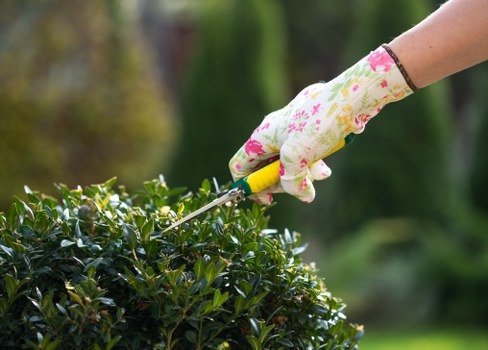
Good pruning is not just about making a tree look neat. Done properly, it supports the tree’s structure, helps prevent damage, and reduces the chance of weak, congested, or diseased growth causing issues later on. In Chessington, trees often sit close to fences, sheds, garages, conservatories, and busy driveways. That means even moderate overgrowth can start affecting day-to-day use of a property quite quickly. Regular pruning helps keep things under control before a minor issue turns into a bigger job.
It also helps protect the tree itself. When branches are crossing, rubbing, dead, or poorly formed, the tree can waste energy on weak growth rather than healthy development. Proper selective pruning allows air and light to move through the canopy, which can support stronger growth and a better overall shape. For many local homeowners, this is especially important in gardens where trees may have been left to grow naturally for years and now need sensible management rather than heavy reduction.
Another important reason is safety. Overextended branches, dead limbs, or poorly balanced crowns can become a hazard in high winds or heavy rain. While no pruning can remove every risk, timely maintenance can significantly reduce the chance of branches failing and causing damage to property, vehicles, or nearby footpaths. For local businesses, communal sites, and landlord-managed spaces, this is often part of responsible property upkeep. Contact us today if you want to reduce risk while keeping your trees in good condition.
What our tree pruning service can include
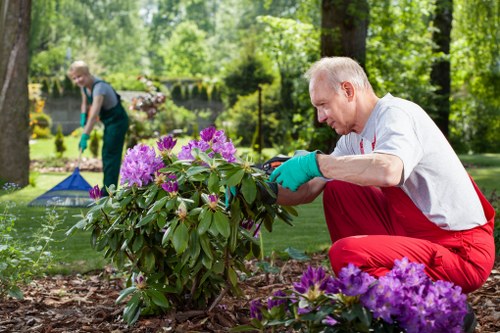
Tree pruning can mean different things depending on the tree and the goal. Some customers need light crown thinning to reduce density, while others need deadwood removal to improve safety. Some want a more compact shape for a decorative tree, while others need clearances above paths, fences, parking spaces, or access routes. A reliable local service should be flexible enough to handle all of these without forcing a one-size-fits-all solution.
Typical pruning work may include removing dead or damaged branches, shortening long shoots, lifting lower limbs to improve access, reducing crowded growth, shaping young trees to encourage balanced structure, and selectively cutting back branches that are interfering with structures or neighbouring plants. In some cases, more specialist attention may be needed for fruit trees, ornamental trees, or trees with a history of poor maintenance. The right technique depends on the tree species and the time of year, which is why experience matters.
For many customers, the most useful result is not a dramatic transformation but a careful improvement. Trees should still look natural and appropriate for the setting. Heavy-handed cutting can leave a tree stressed, unsightly, or more prone to problems later. A professional pruning service aims to achieve a clean, considered finish that fits the property and supports the tree’s future growth. Request a free quote if you would like the right pruning approach for your garden or site.
Local knowledge makes a difference in Chessington
Working in Chessington means understanding the practical realities of the area. Many local homes have established gardens with mature trees near boundary lines, outbuildings, and hard landscaping. Some streets can be tight for vehicle access, and parking can be limited, so a local team is often better prepared for planning the visit efficiently. That kind of local familiarity helps keep disruption down and makes the whole process smoother from start to finish.
Chessington also includes a mix of residential and commercial settings, which means pruning needs can vary widely. A family garden might need selective crown work or a tidy-up after several seasons of growth. A shop, office, nursery, rental property, or managed site may need scheduled maintenance to keep entrances clear, outdoor areas presentable, and trees from obstructing signage or lighting. Having a team that understands those different needs is useful when you want results that are practical as well as attractive.
Nearby areas such as Hook, Malden Rushett, Surbiton, Tolworth, and Epsom can also bring similar challenges, especially where properties sit close together or where trees have outgrown their original planting position. Whether the job is a small front-garden pruning visit or work across a larger site, it helps to work with a local service that is used to handling access issues, boundary sensitivities, and the varied character of South West London and Surrey properties. Tree pruning in Chessington should always be planned with the site itself in mind.
Signs your tree may need pruning

Not every tree needs immediate attention, but there are common signs that pruning would be sensible. If you notice branches reaching too close to windows, roof edges, or gutters, that is often a sign that the canopy is becoming too expansive for the available space. Low branches that block paths or make it difficult to mow, park, or move around the garden can also be a good reason to arrange pruning before the tree becomes more difficult to manage.
Other signs include deadwood hanging in the canopy, branches that rub against one another, weak fork structures, uneven growth after previous cutting, or branches that have become too heavy and are beginning to sag. Trees can also grow in ways that reduce natural light into your property or shade planting beds too heavily. In some cases, pruning is less about appearance and more about restoring function to the garden or site.
Storm damage is another common reason customers call for help. Strong winds can snap smaller limbs or leave branches split and unstable. Even if the damage looks minor from the ground, it may still need careful attention to avoid further failure. If a tree has recently been stressed by weather, drought, pests, or poor previous cutting, pruning should be done thoughtfully rather than aggressively. Careful, timely attention can often prevent a tree from developing bigger issues.
Tree pruning versus tree cutting: what is the difference?
Customers often use “tree cutting†and “tree pruning†interchangeably, but they are not quite the same thing. Pruning is selective and purposeful. It involves removing specific branches to improve health, structure, appearance, or safety. Tree cutting can sometimes refer to more general removal work, but when it comes to maintaining a living tree, the method matters. The goal is to avoid unnecessary harm and keep the tree in strong condition.
That is why a proper assessment is important before any tools are used. A good pruner will look at the branch structure, the direction of growth, the age and species of the tree, and the likely result of each cut. For example, a young tree may need formative pruning to guide its shape, while a mature tree may need limited selective pruning to maintain clearance and reduce weight. A fruit tree may benefit from annual shaping, while an ornamental tree might only need occasional correction.
This careful distinction is especially relevant in domestic gardens across Chessington, where a tree may be both a valued feature and a practical concern. The right pruning approach can preserve that balance and avoid the common mistakes that lead to unattractive regrowth or long-term weakening. If you have a tree that has been cut badly in the past, it may still be possible to improve its shape through thoughtful corrective pruning.
How our tree pruning process works

Most customers want a service that is clear, organised, and straightforward. A professional pruning job should begin with an initial discussion about what you want to achieve: more light, better shape, reduced height, safer clearance, or a tidier overall appearance. The tree is then assessed in context, because a branch that looks unnecessary from one angle may be important to the balance of the whole canopy.
Once the plan is agreed, the pruning work is carried out using the right methods for the tree and the site. This may involve hand tools, pole tools, or other equipment depending on the height, access, and density of the growth. Care is taken to minimise unnecessary disturbance to borders, lawns, paving, sheds, and nearby planting. Where needed, debris is collected and removed so the site is left tidy and usable.
After pruning, it is common to review the overall shape and check that the tree still looks natural and healthy. Good pruning should not leave obvious stress or awkward stubs. Instead, the tree should appear lighter, better structured, and more suited to the available space. If there are follow-up recommendations, such as future maintenance intervals or a different approach next season, these can be discussed so you know how to keep the tree in good condition going forward.
What types of customers use tree pruning services in Chessington?
Tree pruning is useful for a wide range of customers. Homeowners often want to improve sunlight, tidy the garden, or keep trees away from buildings and boundaries. Landlords and letting agents may need routine maintenance to keep outdoor spaces in manageable condition between tenancies. Property managers may request pruning to keep common areas safe and presentable. Businesses may need trees and planted areas maintained so the premises look cared for and access remains practical.
Schools, nurseries, care settings, small commercial yards, and shared residential developments may also need regular pruning to manage safety, reduce leaf fall in the wrong places, and keep paths, parking bays, and access points clear. Each site has different priorities, so a good service should be adaptable. In some settings, visual appearance matters most; in others, safety and access are the main concern. Often, it is a combination of both.
Because Chessington includes both quieter residential pockets and busier routes, pruning needs can vary even within a short distance. A local team can respond to those differences more effectively than a one-size-fits-all service. Whether the job is for a front garden on a suburban street or a commercial frontage with regular foot traffic, the work should suit the setting and the people using it.
Common pruning services requested by local customers
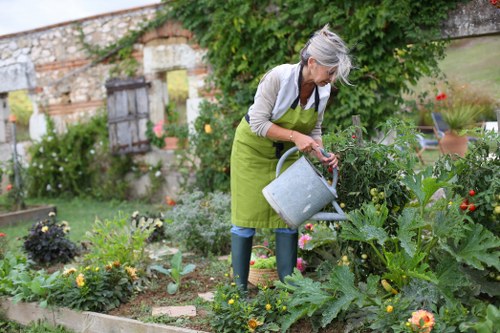
Different trees and different spaces call for different techniques. Some of the most common pruning requests in and around Chessington include the following:
- Crown thinning to reduce density and allow more light and air through the canopy.
- Crown reduction to reduce overall size while keeping the tree balanced and proportionate.
- Deadwood removal to take out dead, broken, or hanging branches that could fall.
- Canopy lifting to raise lower branches and improve access for walking, parking, or mowing.
- Formative pruning for young trees to help establish a strong, healthy structure.
- Selective branch removal to improve shape, reduce rubbing, or prevent interference with buildings.
- Fruit tree pruning to encourage better growth, airflow, and productive development.
Each type of pruning has a different purpose, and the right choice depends on the tree’s condition and the customer’s priorities. A mature boundary tree may need one style of treatment, while a smaller decorative tree in a courtyard may need something quite different. The best results usually come from a targeted approach rather than removing too much at once. That is why a local, experienced team can be valuable when you want practical improvements without compromising the tree.
Benefits of choosing a local tree pruning company
There are real advantages to choosing a local company for tree pruning in Chessington. First, a local team is easier to schedule, easier to brief, and usually better prepared for the types of properties and access routes commonly found in the area. That can save time and make the visit more straightforward. When parking is limited or access is tight, planning matters just as much as the pruning itself.
Second, local experience often means a better understanding of common tree issues in the area. For example, many mature gardens in the Chessington area contain trees that have been allowed to grow for years with little intervention. Others have been shaped badly in the past and now need corrective attention. A local service sees these situations regularly and can recommend a suitable way forward.
Third, local customers usually value a service that is practical, polite, and easy to deal with. You want someone who turns up prepared, explains what is happening, carries out the work carefully, and leaves the site clean and usable. Whether you are arranging pruning for a private home or a managed site, that kind of reliability matters. Book your service now if you want a team that understands local expectations and site conditions.
Factors that affect pricing for tree pruning
Every property and every tree is different, so it is not sensible to assume one fixed cost for all pruning work. Several factors can affect the quote, including the size and height of the tree, how much material needs to be removed, how easy the tree is to access, and whether any nearby obstacles make the job more complicated. A tree growing over a conservatory or close to boundary structures may require more care than a tree standing clear in an open garden.
Species also matter. Some trees respond well to certain pruning methods, while others need a lighter touch or more specific timing. The condition of the tree is equally important. A healthy, well-structured tree may be quicker to prune than one with poor previous cuts, deadwood, or awkward branch unions. If the site needs extra attention for waste removal or careful protection of surrounding areas, that can also influence the overall scope of work.
For that reason, a proper inspection is the best way to understand what is involved. A professional quotation should reflect the actual work needed rather than relying on guesswork. If you are comparing options, it is worth asking what is included, how the tree will be handled, and whether the work is tailored to your specific goals. Request a free quote to get a clearer picture of the job before you decide.
How to prepare for your pruning appointment
Good preparation helps the visit run smoothly and can reduce delays on the day. If you are arranging tree pruning at a home or commercial site, there are a few simple things you can do beforehand. These steps are not complicated, but they can make the job easier and help protect your property.
- Clear access to the working area if possible, moving cars, bikes, garden furniture, or bins away from the tree.
- Check whether the tree is near fences, sheds, greenhouses, or fragile planting that may need special care.
- Let the team know about any shared driveways, restricted parking, locked gates, or access instructions.
- Identify the result you want, such as more light, safer clearance, or a neater shape.
- Tell the team about any known issues, such as previous storm damage or bad pruning in the past.
If you are a commercial customer or property manager, it can also help to advise on timing requirements, site rules, and any areas that need to remain open during the work. For domestic customers, simply ensuring the tree and surrounding space are accessible is often enough. A good local pruning service will handle the rest and keep disruption to a minimum.
When is the best time to prune?
The best time to prune depends on the tree species, the reason for the work, and the result you want. Some trees are best pruned during dormant periods, while others can be lightly maintained at different times of year. Fruit trees, ornamental trees, and mature shade trees do not all respond the same way. Seasonal timing can affect growth, flowering, fruiting, and stress levels, so it is worth getting advice before cutting begins.
In many cases, safety-related pruning can be done whenever necessary, particularly if deadwood or damaged branches are causing a concern. For aesthetic or growth-management pruning, timing can make a difference to how the tree responds. A local professional can help you decide when to schedule the work so that it supports the tree rather than putting it under avoidable stress.
Can pruning help with too much shade?
Yes, in many situations it can. If a tree is blocking too much natural light from your garden, windows, or planting areas, selective pruning can reduce density and improve light penetration without stripping the tree back too severely. This is often a popular request in gardens where mature trees have become dominant over time. The key is to improve light while still keeping the tree healthy and attractive.
It is also worth considering the shape of the tree and what it is doing for the rest of the garden. A lighter canopy can make patios, lawn areas, and side passages feel more open and usable. For some customers, this improvement is one of the main reasons they arrange pruning in the first place. A well-planned cut can change how the whole space feels.
Areas covered around Chessington
Tree pruning services in Chessington often extend to nearby residential streets, neighbouring suburbs, and local business areas where similar tree care needs arise. This may include parts of Hook, Tolworth, Surbiton, Malden Rushett, Epsom, and surrounding locations where gardens, boundary trees, and commercial plots all require proper maintenance. The exact scope can depend on access and the nature of the work, but local coverage is often especially helpful where customers need a prompt and practical service.
Areas with mature housing stock, shared access, or narrow driveways frequently benefit from a team that understands how to work efficiently without causing unnecessary disruption. The same is true for commercial or managed properties where tidiness, safety, and access all matter. If your property sits in or around Chessington and you need selective pruning, shaping, or general tree maintenance, it is sensible to speak with a local company familiar with the area.
Frequently asked questions about tree pruning in Chessington
Do all trees need pruning every year? Not necessarily. Some trees benefit from regular maintenance, while others only need occasional work. The right interval depends on species, age, condition, and location.
Will pruning damage my tree? Proper pruning should not damage a healthy tree. In fact, when done correctly, it can improve structure and reduce future problems. The risk comes from overcutting or using the wrong technique.
Can you prune a tree close to my house or fence? Yes, but the approach needs to be careful and appropriate for the space. Trees near structures often require selective work rather than large reductions, especially where access is tight.
What if my tree was cut badly before? Many trees can recover from poor previous work with the right corrective pruning. The amount of improvement possible depends on the species and the existing structure, but it is often worth assessing.
Do you handle both small and large jobs? Yes. Tree pruning can range from a small garden tidy-up to work on larger mature trees or commercial sites. The method and equipment will depend on the situation.
Can pruning improve the look of my property? Definitely. A tidier canopy, more light, and cleaner lines can make a front garden, rear garden, or business frontage look much more cared for.
Choosing the right team for the job
When you are comparing tree pruning services, look for a team that listens to what you want and explains the likely result before work begins. Good pruning is not about removing as much as possible; it is about making the right cuts in the right places. You should feel comfortable that the approach suits your property, your tree, and your priorities.
It is also sensible to choose a team that understands practical site management. That means being prepared for limited parking, narrow side access, awkward branch drop zones, and the need to protect lawns or paved areas. In Chessington, where many properties have unique layouts, these details matter. A well-organised local service can save time, reduce hassle, and leave you with a result that fits the space naturally.
If you are ready to improve safety, appearance, and usability, professional pruning is a worthwhile investment in your property. Whether the task is light maintenance or a more involved shaping job, a local service can help you make the right decision for your trees. Contact us today to discuss your needs and arrange an assessment.
Book tree pruning in Chessington
If your trees are becoming overgrown, blocking light, interfering with access, or simply looking untidy, now is a good time to take action. The right pruning can restore balance, improve safety, and keep your outdoor space easier to use throughout the year. For homeowners, landlords, and businesses alike, timely maintenance is often the simplest way to avoid larger issues later.
Professional tree pruning in Chessington should feel straightforward from the first enquiry to the completion of the work. You should know what is being done, why it is being done, and how it will benefit the tree and the site. If you want a local team that can handle practical access, different property types, and tailored pruning requirements, make the next step today. Request a free quote and book your service now.